

Start with the dish: Will the cashew stay whole, appear as a piece or be ground?
Pick the Cashew Form Before the W Number
Cashew grades describe size, shape and colour. W240 and W320 are white whole grades. Lower W numbers mean larger whole cashews. A W grade does not tell you how a broken piece will look in food.
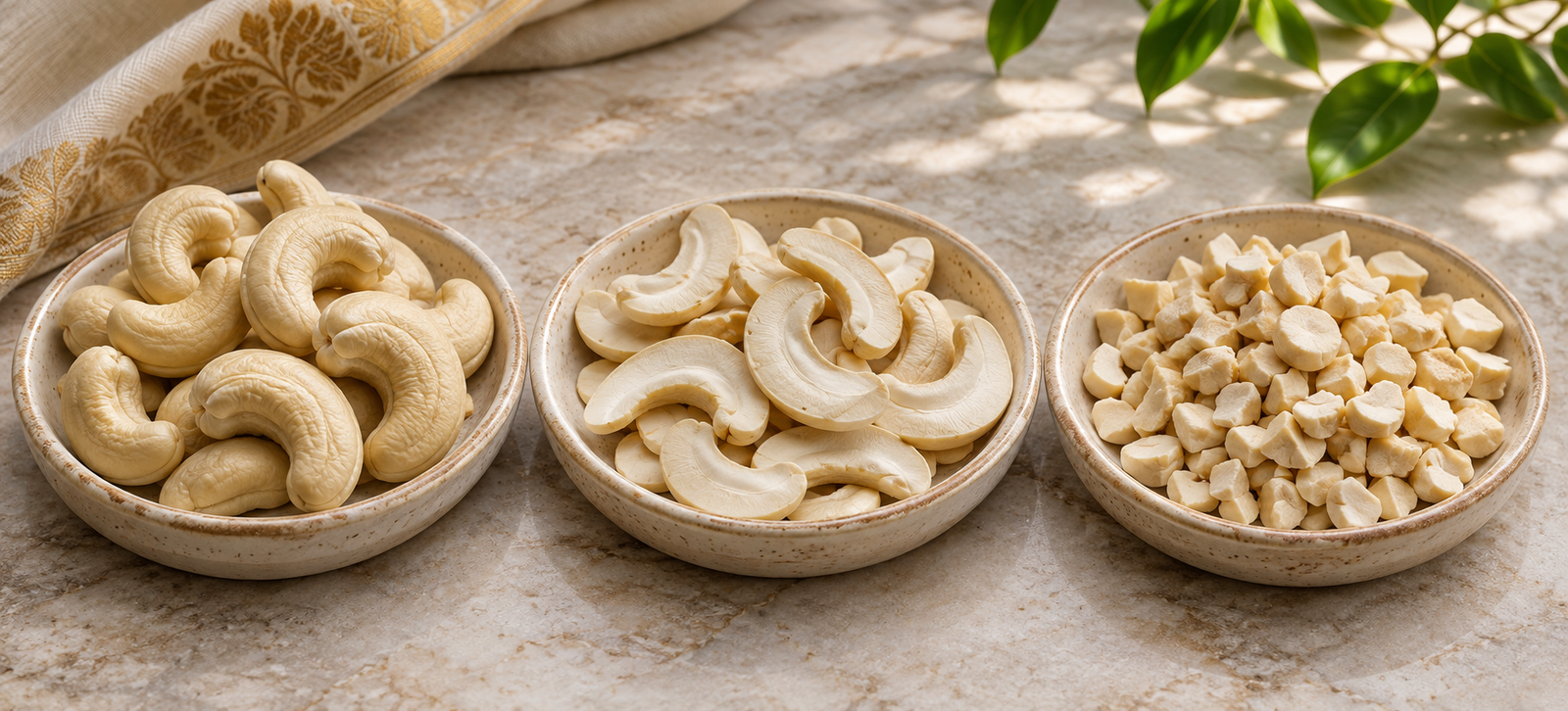
Three useful forms: Whole kernels stay in one piece. Splits are lengthwise halves. Pieces range from large chunks to small bits. Check the actual cut and colour before buying.
For a Whole-Cashew Topping, Count Pieces per kg
The 1960 Indian Agmark schedule records 485 to 530 W240 kernels per kg. It records 660 to 705 W320 and 880 to 990 W450 kernels per kg. The figures describe size, not freshness. Individual batches can vary within the stated ranges.
If you place one whole cashew on each dessert, compare the size on the plate. A smaller whole kernel may suit a small serving. Larger kernels suit decoration where the full shape matters.
| White whole grade | Agmark kernels per kg |
|---|---|
| W240 | 485–530 |
| W320 | 660–705 |
| W450 | 880–990 |
For Kaju Katli, Check the Ground Cashew, Not Whole Size
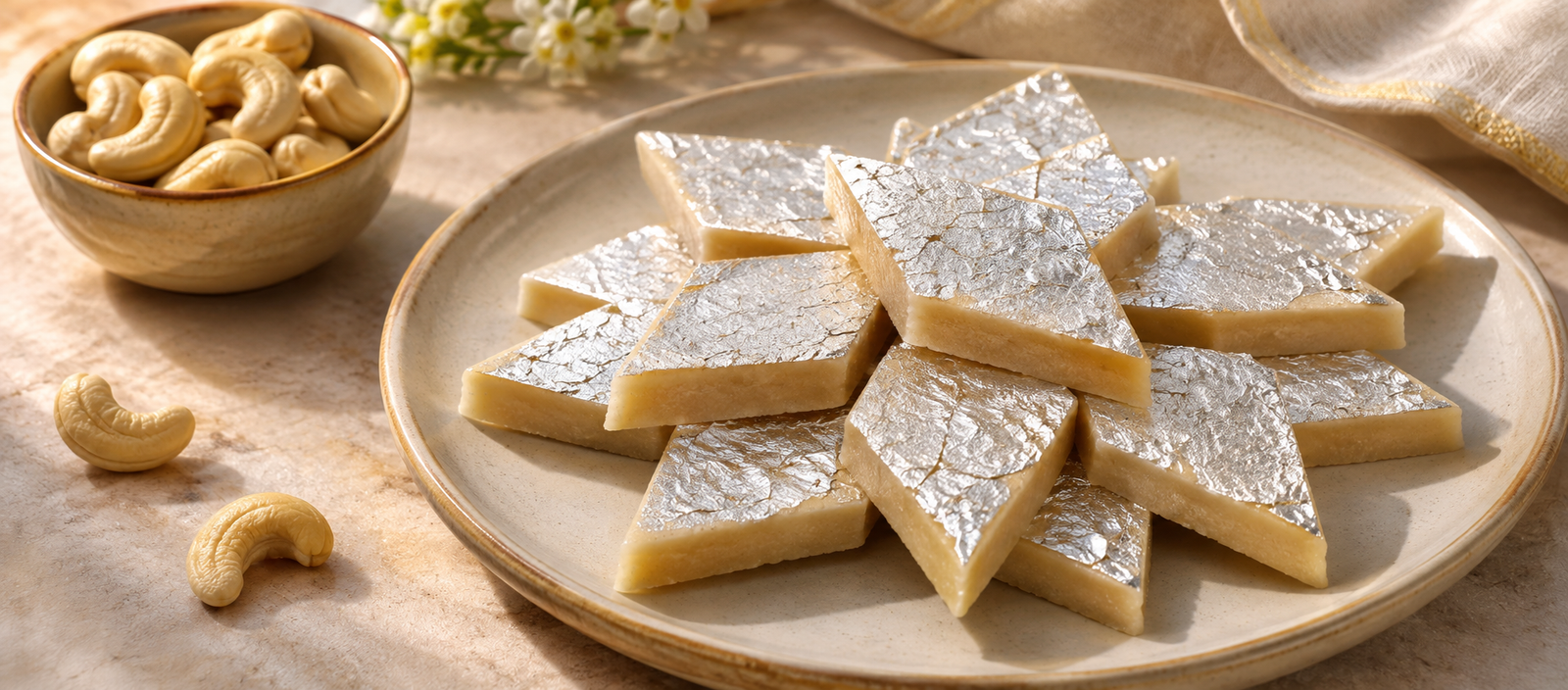
Kaju katli and similar sweets use ground cashews. Ask for clean LWP or SWP pieces and compare them with whole grades. Large whole kernels add no visible shape once you grind them.
Test a small batch: Grind equal weights from two clean samples. Use the same recipe for both. Compare the colour and look for coarse bits or dark specks. Check the final sweet before approving either grade.
For Laddoo, Halwa and Barfi, Decide How Large Each Bite Should Be
Some sweets contain visible cashew pieces. Use larger clean pieces when the cashew should be easy to bite. Use smaller pieces when they must spread through the sweet. Compare a finished serving, not only the loose samples.
For Cakes and Cookies, Choose Pieces That Hold Their Place
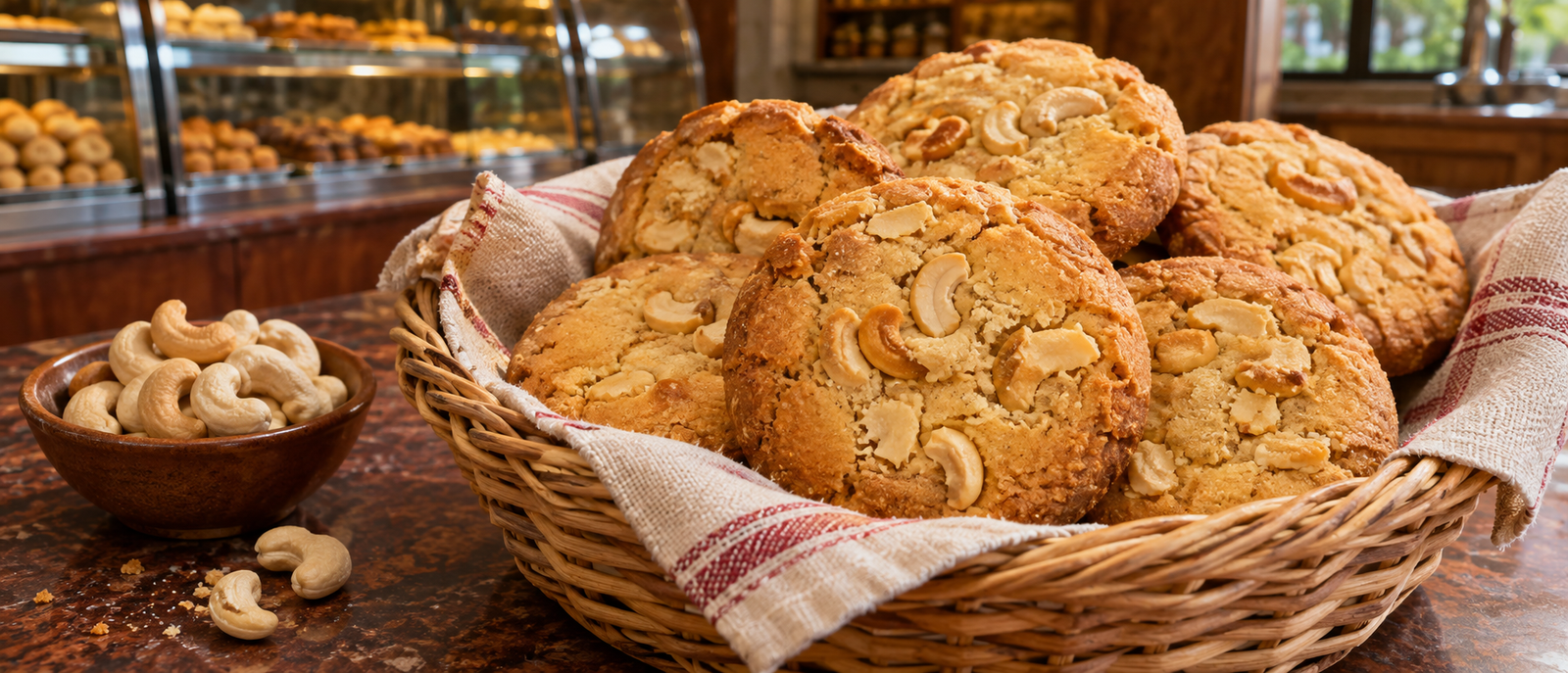
Cashew pieces can decorate a cake or mix into dough. The two jobs need different sizes. A mixed bag may lack enough large pieces for toppings. It may also contain too much powder for dough.
Cake Toppings Need Larger, Similar-Sized Pieces
Try splits or LWP when the cashew must remain visible. Place equal pieces on a trial cake and bake it as normal. Check for unwanted dark spots, loose crumbs and broken pieces after baking.
Cookies Need Pieces That Mix Evenly
Try SWP or another small, clean piece grade. Check a loose sample for fine crumbs. Mix another sample into your normal dough. After baking, look for large lumps and dark pieces.
Caterers May Need 2 Cashew Grades for 1 Menu
A catering menu can use cashews in biryani, kheer and gravy. One grade may not work well across all three. Choose each form according to where the cashew ends up.
Biryani and Kheer: Check the Cashew After Cooking
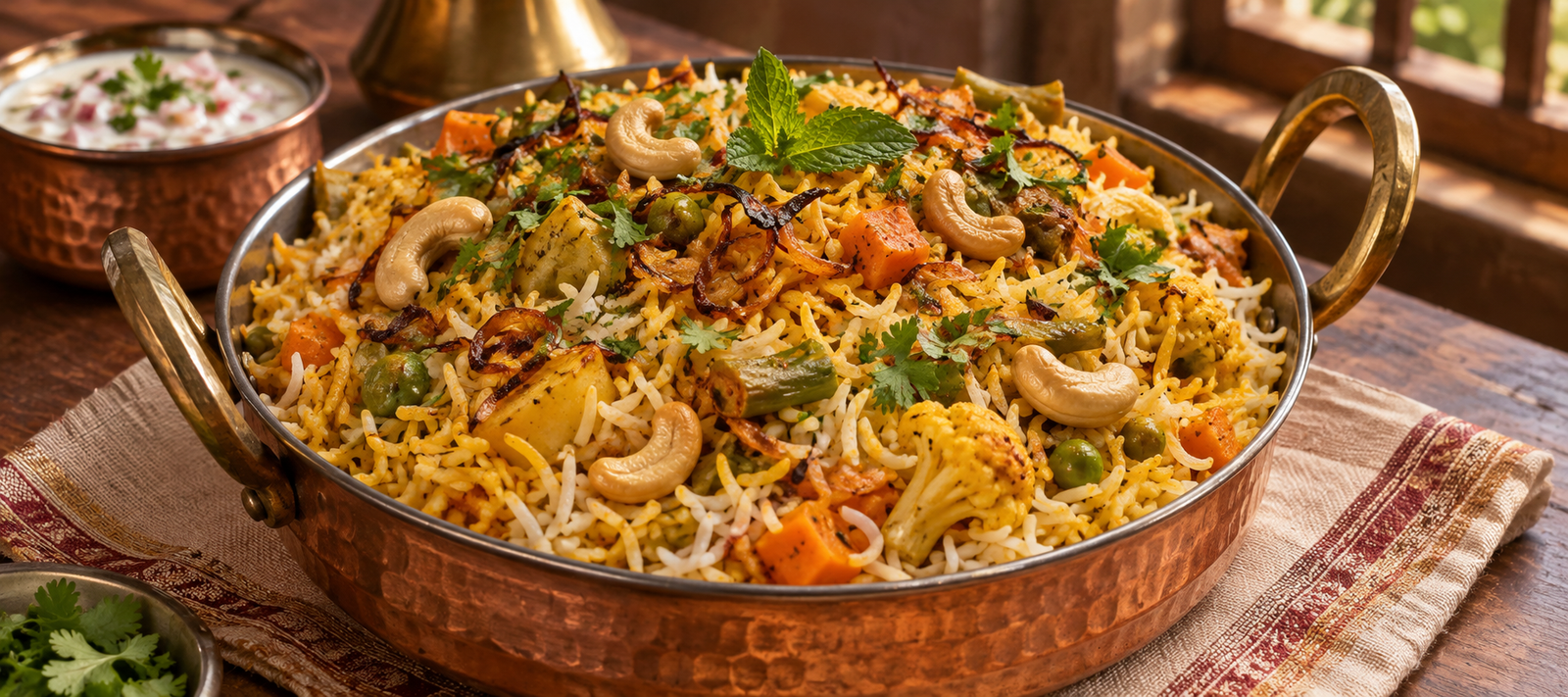
Use whole kernels or splits when the cashew stays visible. Smaller whole grades may work for individual servings. Try a small batch using the same cooking steps. Check how the cashews look after stirring and serving.
Shahi Paneer and Korma: Compare the Ground Result
These gravies can use ground cashews for body. Start with clean pieces rather than paying for a large whole shape. Grind equal weights, then compare the gravy made from each sample. Reject pieces with unwanted odour, mould or foreign material before cooking.
Do Not Treat Every Broken Cashew as the Same Grade
A split is one lengthwise half. A butt is a kernel broken across its width, with the two inner halves still attached. LWP is short for Large White Pieces. SWP is short for Small White Pieces. BB refers to Baby Bits, which are smaller again.
Trade names such as JH, JK, 2-piece and 4-piece may differ between suppliers. Ask for an actual sample or size description. Never assume a local trade name matches a standard piece grade.
Check before payment: Spread a sample on a white tray. Separate large pieces, small pieces and fine crumbs. If you need visible pieces, weigh the part you can use. Fine crumbs may work for grinding but not decoration.
Compare the Cost of Cashews You Can Actually Use
A low price per kg may still give poor value for a topping. Too many tiny bits can reduce the amount that looks right on a cake or sweet. For grinding, clean small pieces may be useful instead of waste.
For toppings: Compare the cost and usable weight of pieces that meet your size needs. For one whole cashew per serving: Divide the price per kg by the actual count of whole kernels per kg. Use quoted prices and counts from the offered batches, not a fixed market price.
Do not assume the largest grade tastes better. Size alone cannot prove freshness, food safety or flavour.
Approve a Finished Food Sample Before Your Bulk Order
Request samples from the batches offered. Check colour, size, broken share and any unusual smell. Use the same weight and recipe for each test. Keep a labelled sample to compare with delivery.
If you find mould, insects, foreign objects or a rancid smell, stop the food test. Do not use or taste the suspect batch. Clean broken pieces still need the same food-safety checks as whole cashews.
Write the exact grade, form, acceptable piece size, pack weight and batch details on your order. Inspect the delivered goods before mixing them with older cashews.
Buy Cashew Grades for Your Business From NutDana
NutDana supplies dry fruits and seeds to wholesale buyers in India. Minimum order: 10 kg per item. Share your dishes, preferred cashew form, quantity and delivery PIN code. If you need 2 grades, check the 10 kg minimum for each. Ask for the available grades, sample terms and complete delivered quote.